Shared Matter: Swiss Design Returns to Milan Through Collaboration and Exchange
Following three editions of House of Switzerland Milano, Pro Helvetia presents a new exhibition format between research, partnerships, and shared processes.
©Luca A. Caizzi
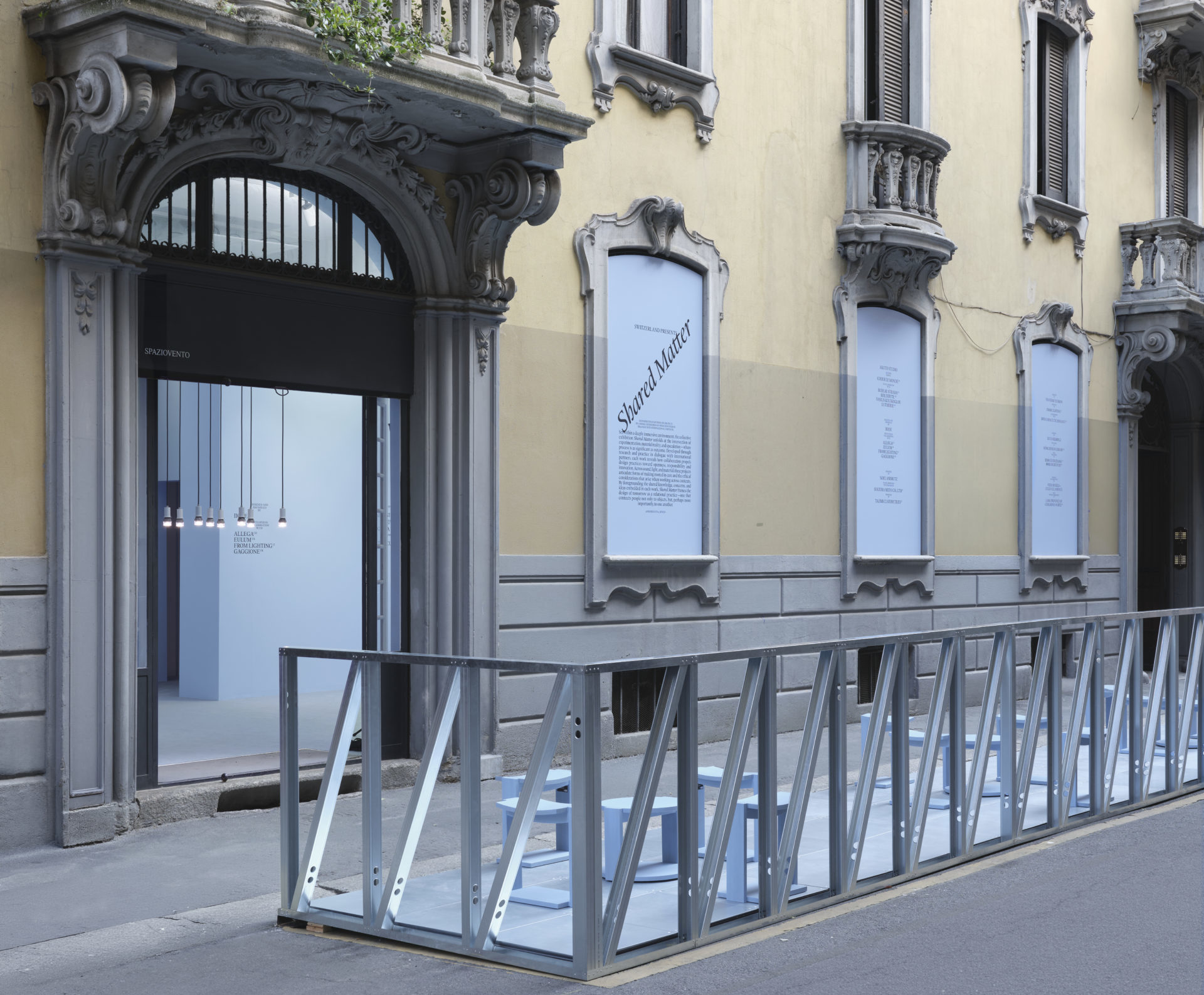
From 20 to 24 April 2026, the Swiss Arts Council Pro Helvetia returned to Milano Design Week with Shared Matter, a collective exhibition exploring the collaborative processes that shape contemporary Swiss design.
Presented at SPAZIOVENTO in Milan’s Brera district and realised in partnership with Presence Switzerland, it marked a new chapter following three successful editions of House of Switzerland Milano. Moving away from a national showcase towards a more open and process-oriented format, Shared Matter highlighted the dialogues, research, and partnerships that underpin design practice today.
Panter et Tourron / © Lorenzo Capelli DSL Studio
iiode / © Lorenzo Capelli DSL Studio
Vera Roggli & Julia Vilamonte / © Lorenzo Capelli DSL Studio
Conceived by designers for designers, SPAZIOVENTO provided a setting for projects born from international collaboration, presenting design as a collective practice rather than an individual pursuit.
As Marie Mayoly, Responsible for International Platforms and Delegation for Design at Pro Helvetia, explains:
“Shared Matter highlights how designers work across contexts through research, exchange and collaboration, reflecting a sustained commitment of Pro Helvetia. The exhibition draws attention to the trajectories behind each project, emphasising that meaningful support is not only about final outcomes but also about the processes that shape them.”
Akuto Studio / © Lorenzo Capelli DSL Studio
Noelani Rutz / © Lorenzo Capelli DSL Studio
Silvio Rebholz / © Lorenzo Capelli DSL Studio
The six projects on view reflected different approaches to material research and production.
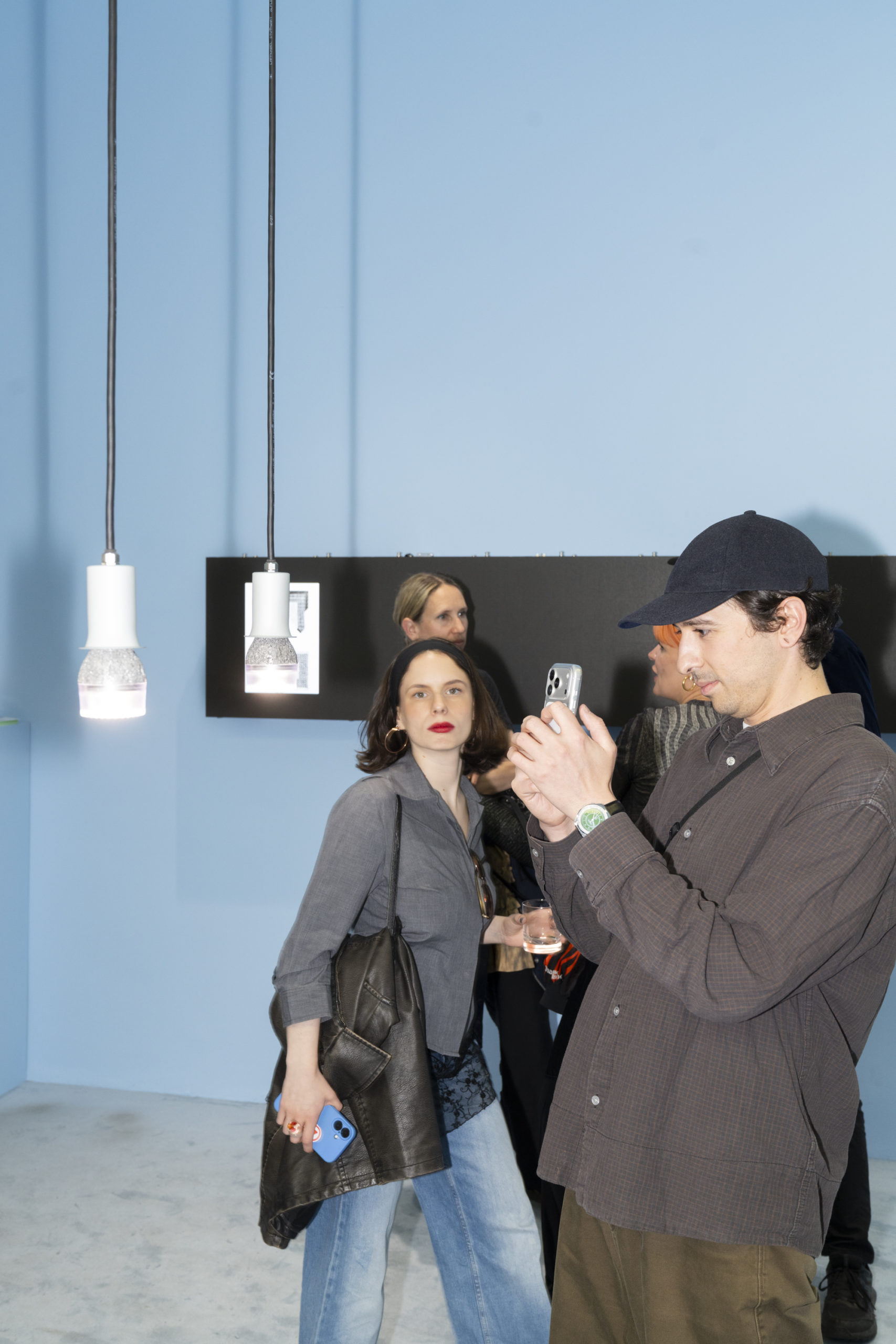
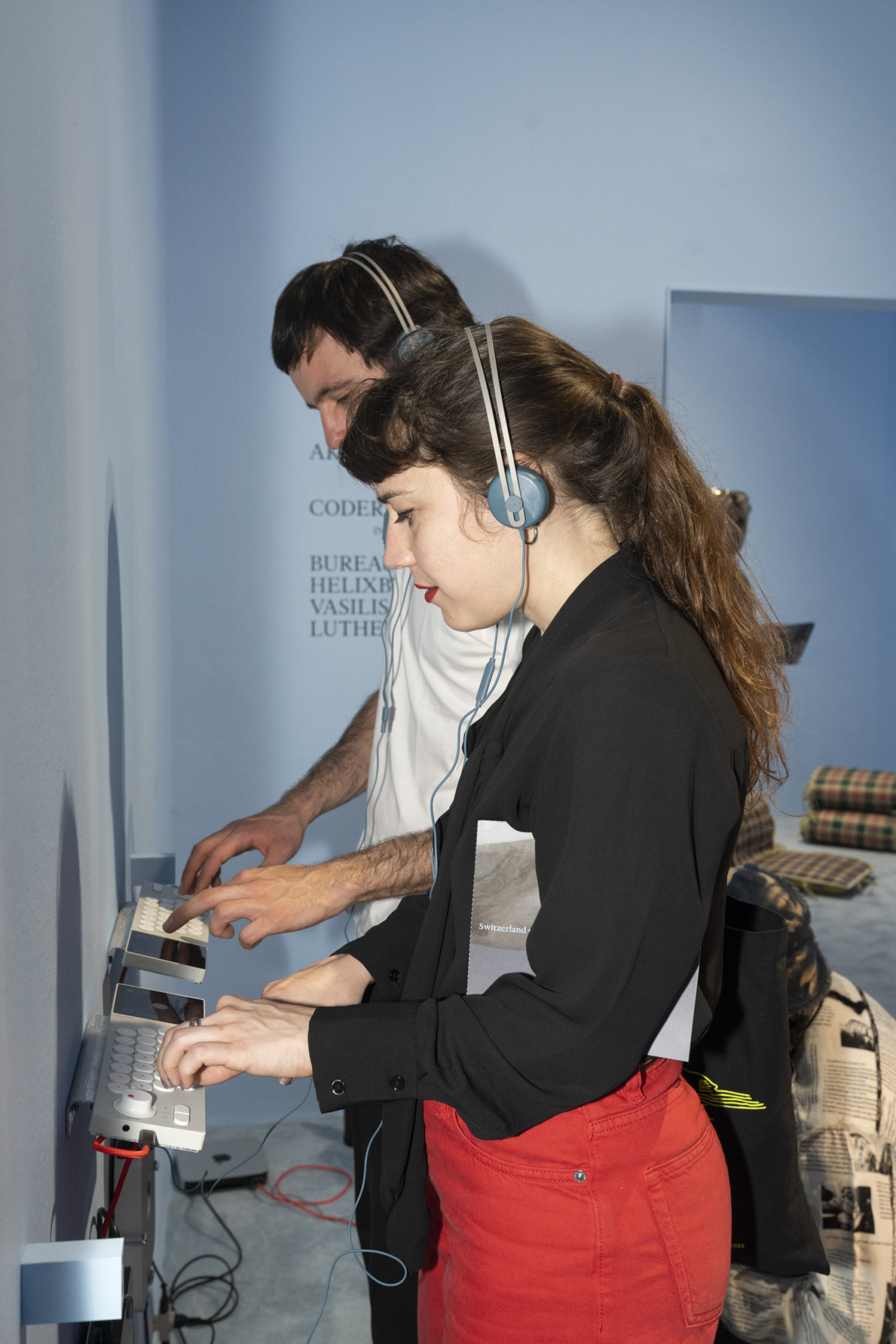
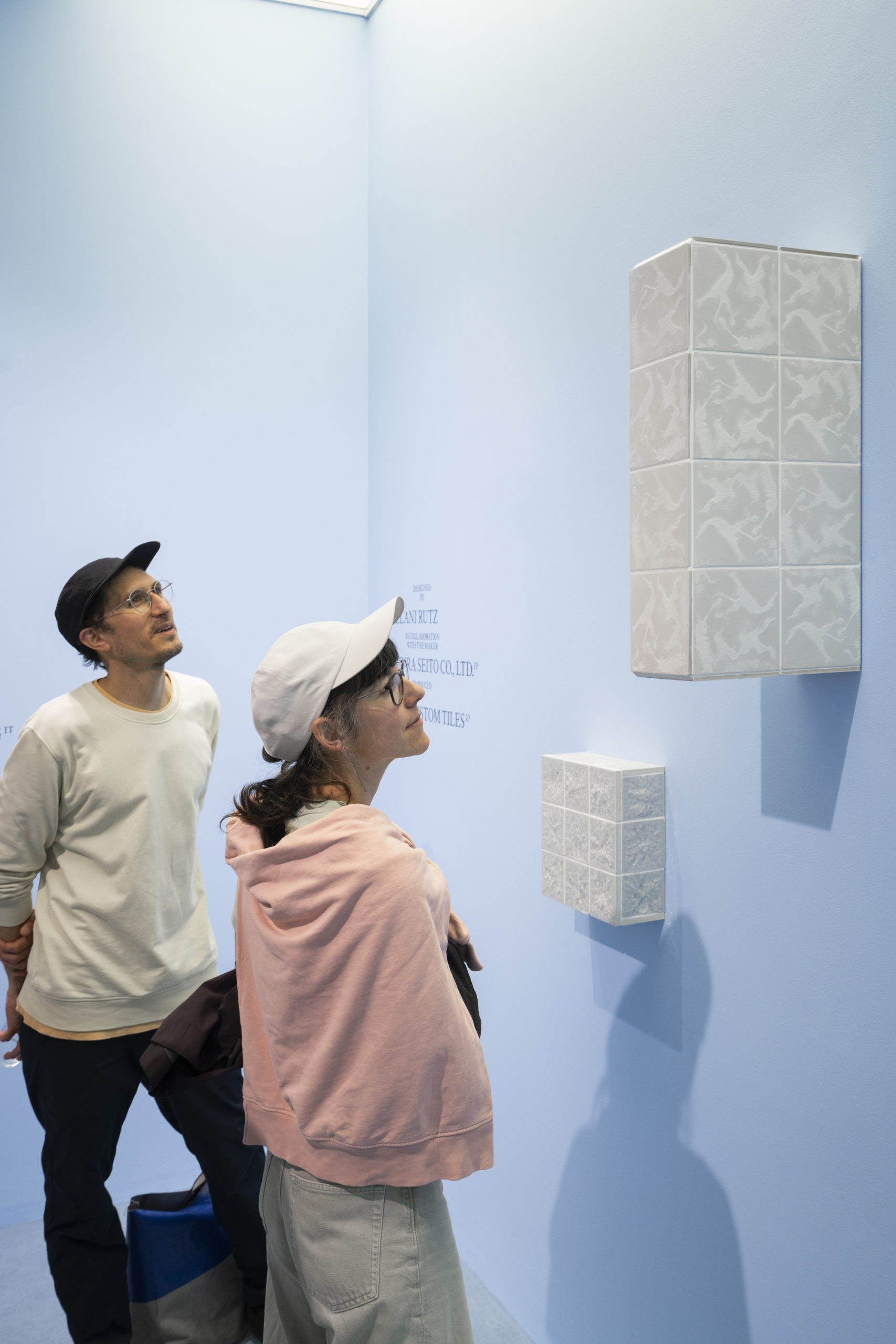
Akuto Studio presented Chord Machine AKT-0.1, an intuitive musical instrument developed between Athens and China that reimagines chord playing through a tactile interface. iiode’s Re27 explored circular production with a sustainable LED bulb created alongside four European manufacturers. Working with Tajimi Custom Tiles in Japan, Noelani Rutz introduced Fleeting Landscapes, a ceramic collection inspired by the ephemeral qualities of snow.
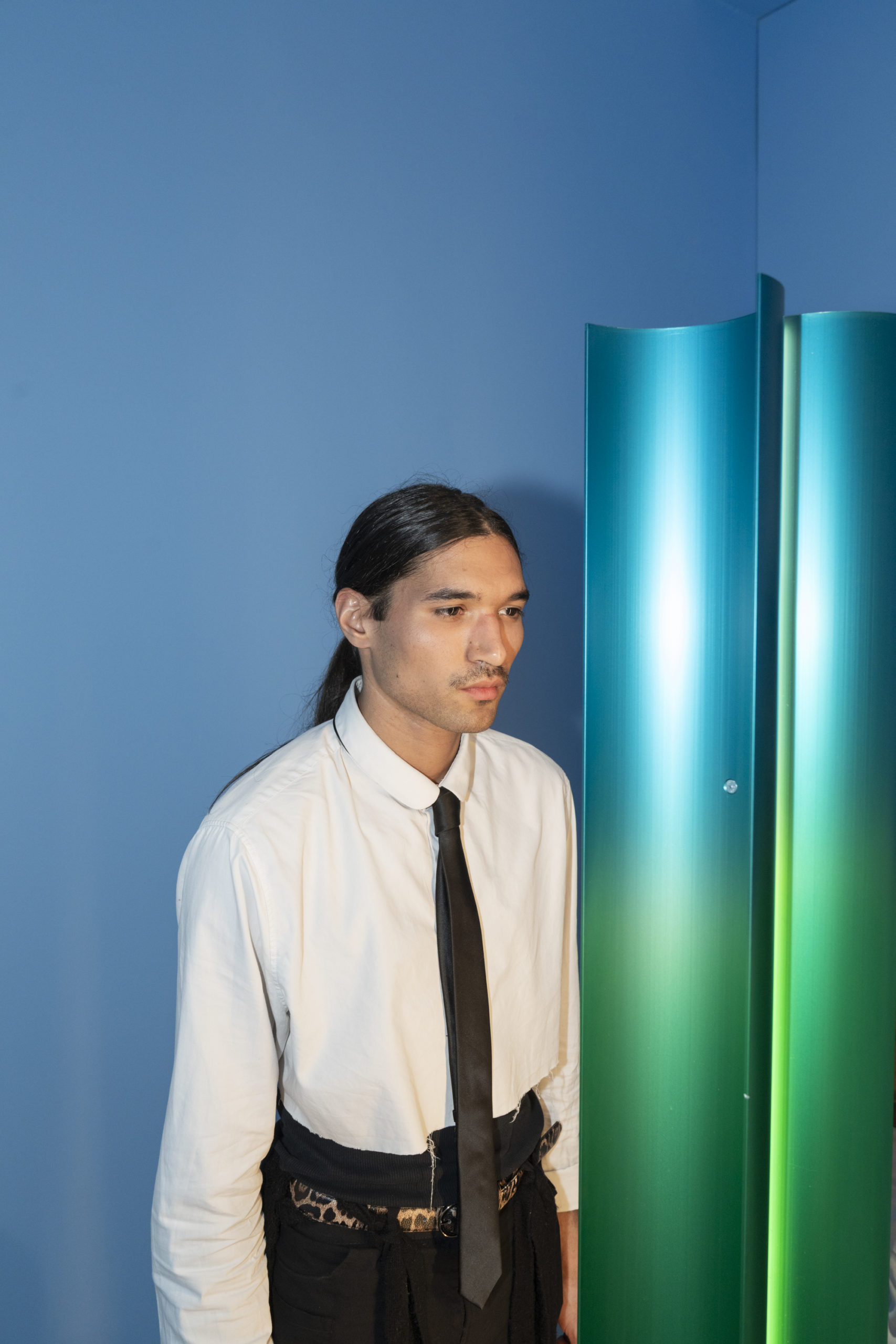
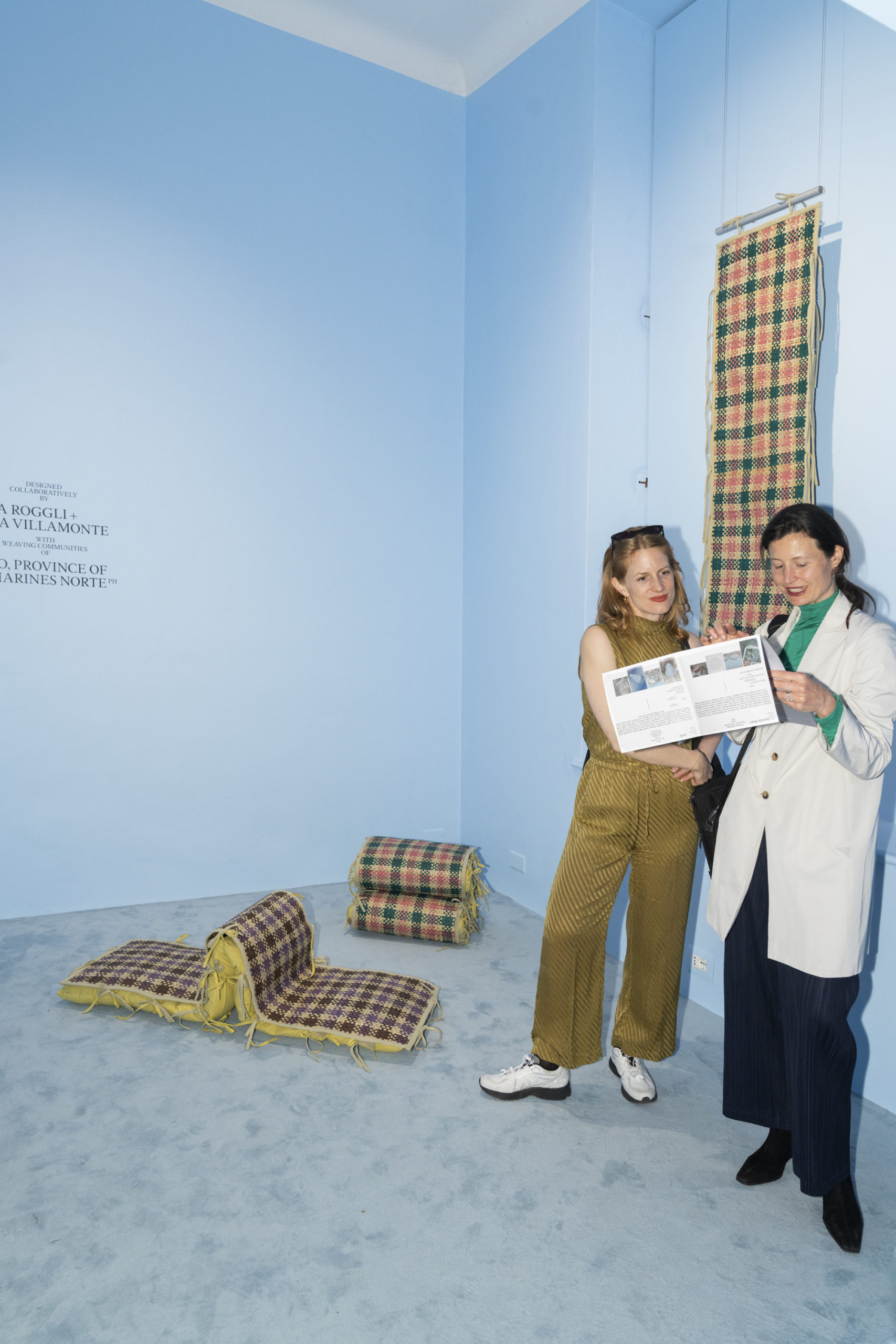
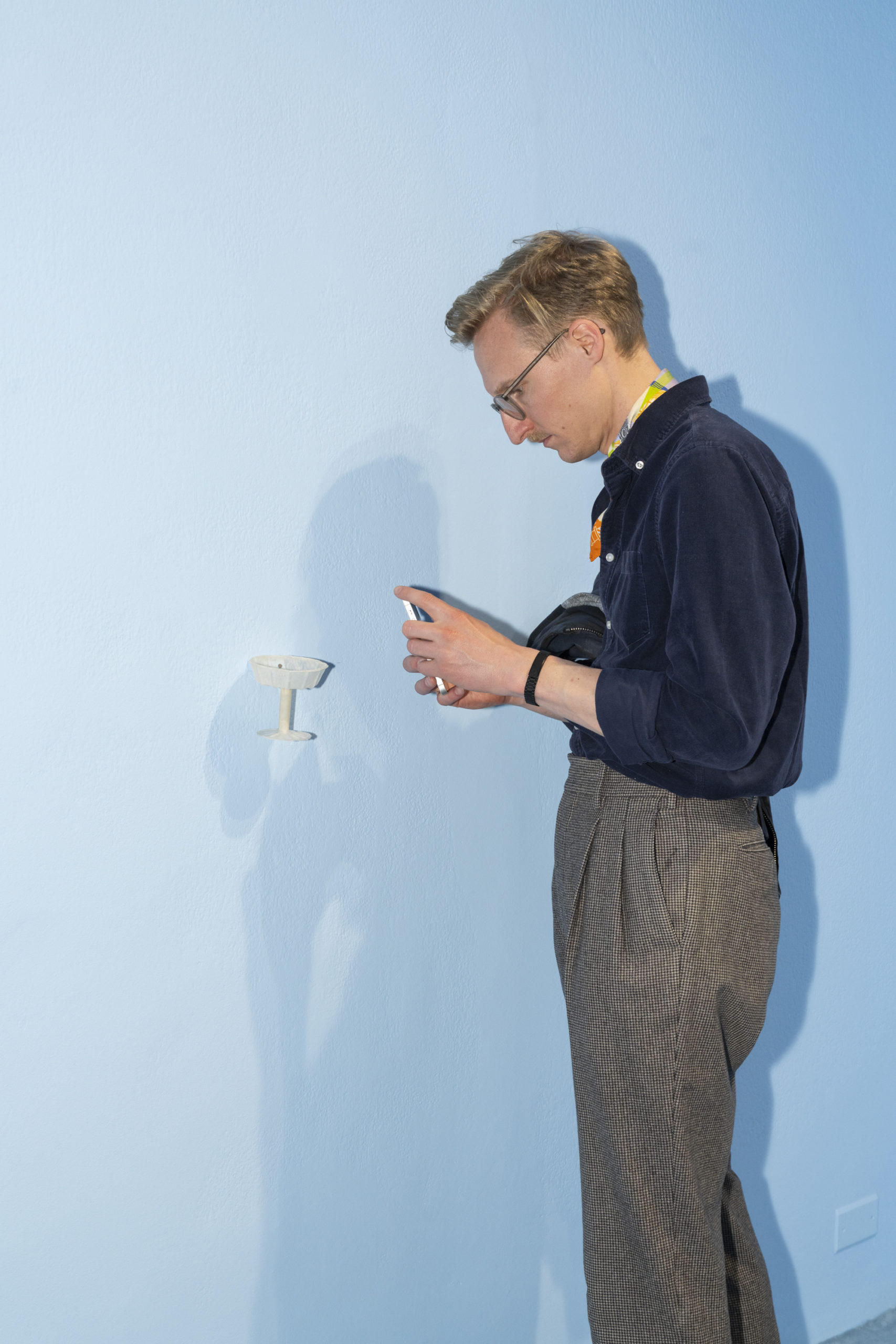
Created with Italian lighting company From Lighting, Panter&Tourron’s sculptural floor lamp combined digital interaction with material precision encased in a sophisticated anodised aluminium form. Silvio Rebholz presented Paper Glasses, a biodegradable alternative to single-use plastic cups developed during a research residency, while Vera Roggli and Filipino designer Julia Villamonte continued their dialogue between Swiss and Filipino weaving traditions with Sapin-Sapin, a multifunctional woven mat rooted in shared craft practices.
Karimoku New Standard / © Lorenzo Capelli DSL Studio
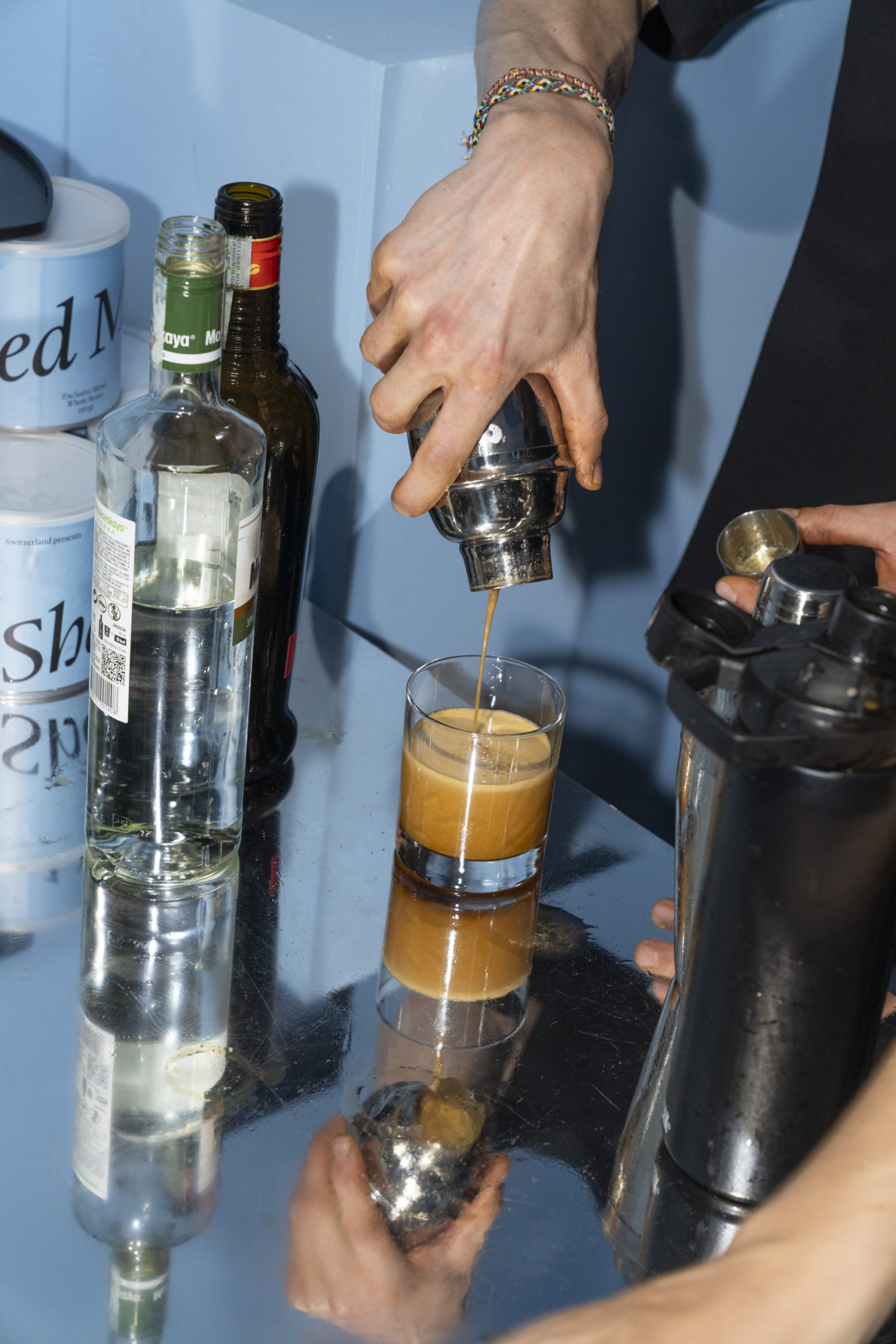
Karimoku New Standard / © Lorenzo Capelli DSL Studio
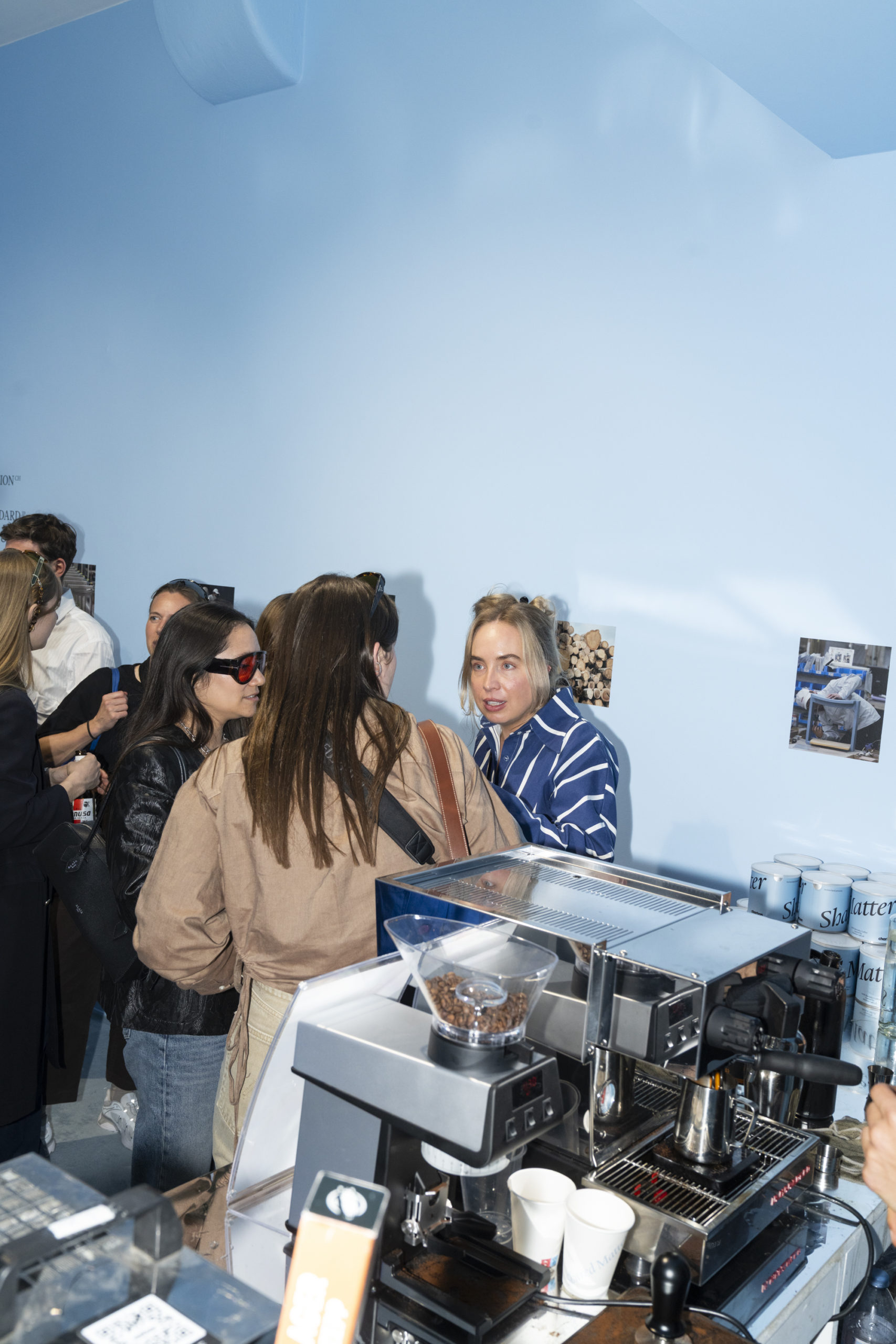
Karimoku New Standard / © Lorenzo Capelli DSL Studio
Selected through an open call by an international jury comprising designer and architect Maddalena Casadei and design writer Max Fraser, the projects were chosen not only for their innovation, but also for the cultural and production contexts from which they emerged.
Extending this narrative, Swiss design duo Gini Moynier, in collaboration with graphic designer Nicolas Bernklau, conceived a scenography that traced the different stages of design practice from research and experimentation to material realisation.
Supported by Blēo, a monochromatic graphic intervention structured the exhibition with clarity, allowing each project to unfold within a coherent spatial language.
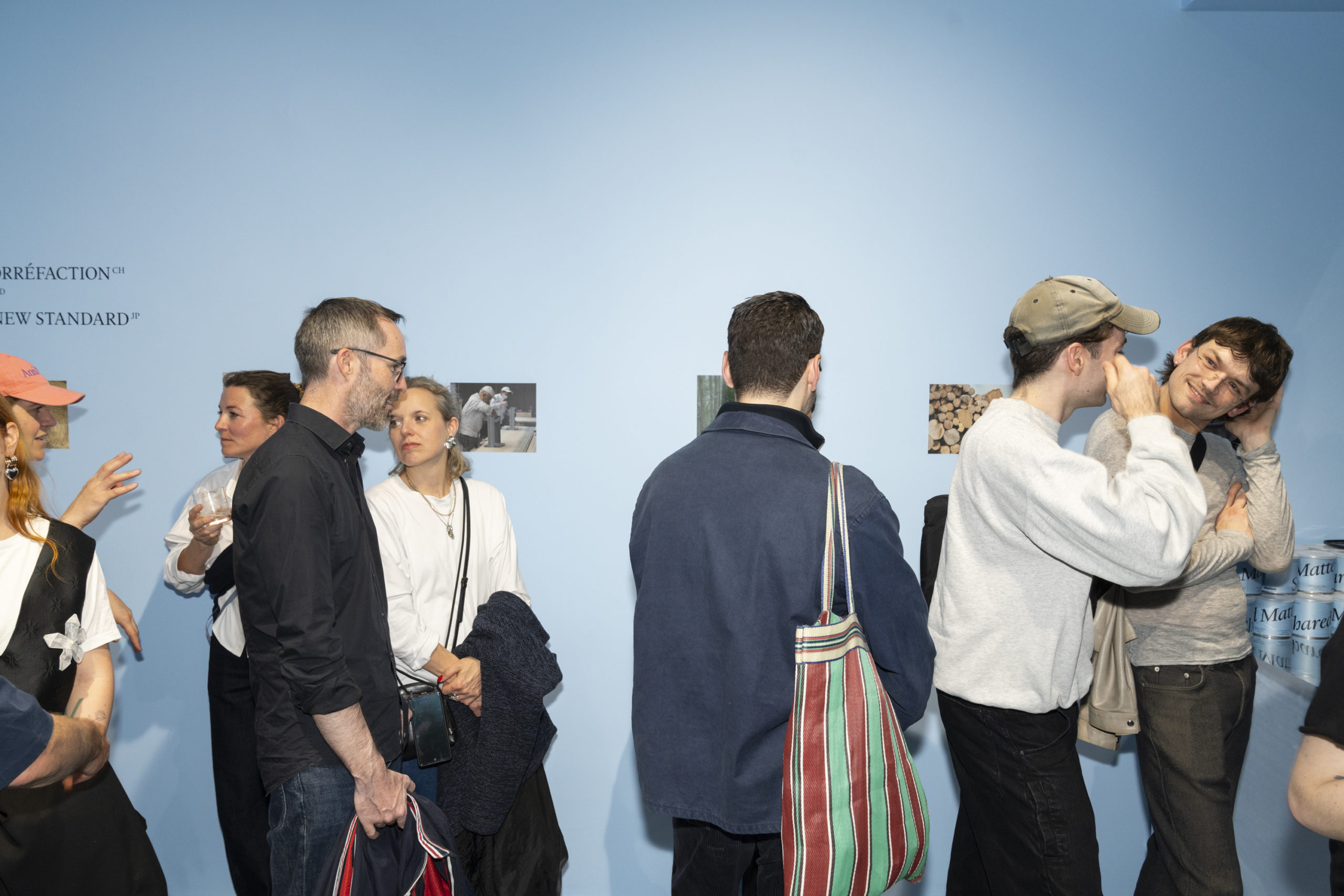
© Lorenzo Capelli DSL Studio